White Country – 10 Best Benefits For Daily Use
June 24, 2025
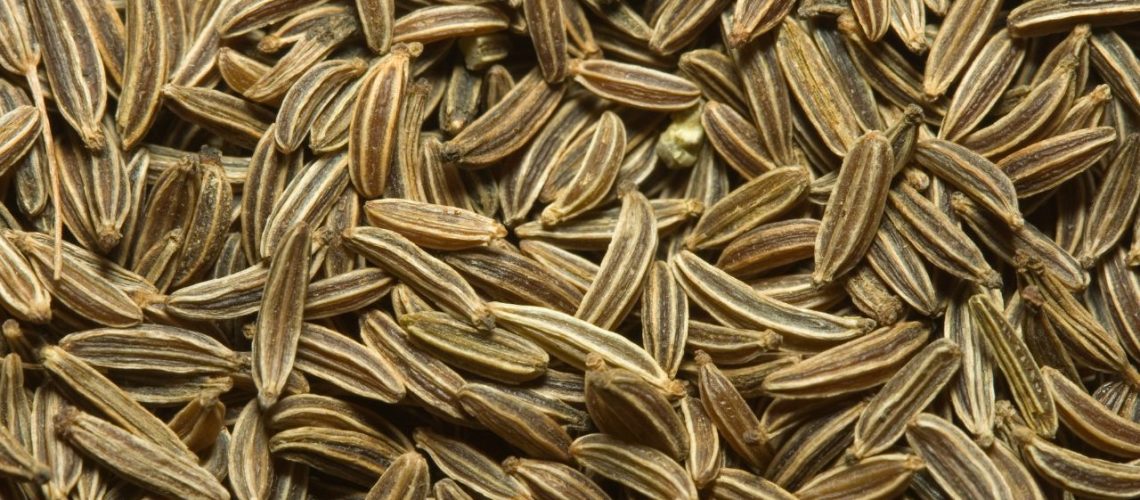
White cumin or cumin is not just a spice in cooking, but also keeps a variety of amazing health benefits.
Used since ancient times in traditional medicine, white cumin is now widely recognized due to its antioxidant, iron and digestive nutritional content.
This article will explore the top 10 benefits of white citrus that can be utilized in daily life.
Also Read: Sweet Care – Aromatic Spices With 6 Amazing Benefits
What is cumin white

White cumin, or better known as cumin (scientific name: Cumin cumin), is a type of spice derived from the Middle East and Ancient Egypt. It is manually harvested from the annual plant and is present in the form of small boat -shaped seeds that resemble karaway seeds.
Since ancient times, it has been widely used by the Egyptian, Indian, Greek and Roman people, not only in cuisine but also for the purpose of mummy and preservation of mummies.
Archeological discoveries in Syria and Egypt showed its use of over 4,000 years old, and it was also mentioned in the old and new Bible.
In the culinary world, white cumin plays a role in a variety of traditional cuisine. In Indiam the white cumin seeds are known as jera and is often used in the form of full seeds.
While in Mexico, Middle East and South America, white cumin is used in the form of blends as the main ingredients in chilli powder, sauce, soup, beans, and marinade. It is also a basic ingredient in a variety of spices such as masala salt, curry powder, achiote, adobo, berke, and bahaarat.
With a strong scent and spicy taste, white cumin not only adds to the deliciousness of cooking but also known for its health benefits.
Nutritional content
According to the University of Rochester Medical Center, every 1 teaspoon of white cumin contains:
- Protein: 1.07 g
- Amount of fat (lipid): 1.34 g
- Carbohydrates: 2.65 g
- Power: 22.5 kcal
- Amount of sugar: 0.14 g
- Nutrition fiber: 0.63 g
- Kalsium (CA): 55.86 Mg
- Iron (Fe): 3.98 mg
- Magnesium (Mg): 21.96 mg
- Phosphorus (P): 29.94 mg
- Kalium (K): 107.28 mg
- Natrium (that): 10.08 mg
- Zink (Zn): 0.29 mg
- Kuprum (with): 0.05 mg
- Mangan (Mn): 0.2 mg
- Selenium (Se): 0.31 mcg
- Vitamin A (IU): 76.2 IU
- Karotena Beta: 45.72 mcg
- Vitamin E (touchololol): 0.2 mg
- Lutein + Zeaxanthin: 26.88 mcg
- Vitamin C (Asid Ascorbic): 0.46 mg
- Vitamin B1 (thiamina): 0.04 mg
- Vitamin B2 (Riboflavin): 0.02 mg
- Vitamin B3 (Niasin): 0.27 mg
- Vitamin B6: 0.03 mg
- Number of folate: 0.6 mcg
- Vitamin B12: 0 mcg
- Vitamin k (philokuino): 0.32 mcg
- Folat, DFE: 0.6 mcg_DFE
- Cholesterol: 0 mg
- Saturated fatty acid (saturated): 0.09 g
- Monotolepe Fat Asid (MonounSaturated): 0.84 g
- Polyunsaturated fat acid: 0.2 g
Different white and sweet cemetery
| Feature | White Jintan | Sweetening Jintan |
|---|---|---|
| Shape & color | Small seeds, oval, light brown | Longer seeds, curved, bright green or brown |
| Flavor | Warm, spicy, a little bitter | Sweet, like licorice (sweet root) |
| Aroma | Sharp and spicy | Fragrant and sweet |
| The use of cooking | Indian cuisine, Middle East, curry, Arabic rice | Malay cuisine, soup, cake, herbal tea |
| Medical use | Relieves digestive problems, antioxidants | Treating bloating, increasing breast milk production |
| The main content | Cuminaldehyde, flavonoid | Anethole, estragole, fenchone |
| Effect on the body | Stimulates digestion and removes the wind | Gives a calming and anti-bump effect |
| Other name | Cumin | Anise / Fennel |
The use of white cumin
In cooking, it is often used as a major ingredient in curry, soup, arab rice, meat marinade, and a mixture of spices such as salt and curry powder.
In terms of health, it is known for helping to improve digestion, reducing the wind, and acting as a natural antioxidant. It also contains iron, calcium, and vitamins for the body.
In traditional medicine, it is used to alleviate bloating and it is believed to help increase breast milk production.
Besides that, white cumin boiled water or jeaer water Also practiced as a daily health drink.
The Benefits of White Countries on Health
1. Increasing digestion
White cumin is very effective in improving the digestive system as it stimulates digestive enzymes in the pancreas.
This enzyme is important to help optimally break the intestines in the intestines. In addition, it also stimulates the production of bile which helps the absorption of fat.
As a result, the digestive process becomes more efficient and wind or bloating problems can be reduced.
2. Optimize diabetes management
White cumin contains phenolic and flavonoid compounds that have hypoglycemic properties, which are capable of lowering blood sugar levels.
Regular intake of white cumin can help prevent diabetes and improve blood sugar control for existing diabetes patients.
3. Controlling blood pressure
Anti-inflammatory, antioxidant and vasodilatory properties in white cumin make it useful for lowering blood pressure.
It stimulates the production of nitric oxide, a type of gas that helps relieve blood vessels and reduce stress due to oxidative stress.
In addition, the contents of the potassium in white cumin helps to get rid of excess sodium through the urine, thus stabilizing blood pressure.
4. Improve the immune system
White citrus is rich in vitamin B, iron, zinc, and contains vitamins C, A and E which is all important for strengthening the body’s immune system.
These nutrients play a role in increasing the body’s natural resilience to fight infections and diseases.
5. Increases blood circulation
White citrus helps to expand the blood vessels and this is important to ensure healthy blood circulation.
It also contains vitamin K, an important nutrient that controls blood clotting and contributes to the health of the cardiovascular system.
6. Preventing cancer
With its high antioxidant content, it can protect the body’s cells from damage by free radicals.
Continuous intake is associated with a reduction in the risk of cancer such as stomach cancer, colon and liver.
7. Against Anemia
White cumin is a very good source of iron, important for the income of hemoglobin in the blood. Hemoglobin carries oxygen from the lungs throughout the body.
Therefore, taking white cumin helps to prevent or care for anemia and the problem of lack of hemoglobin.
8. Maintain bone and teeth health
Calcium and phosphorus content in this cumin is important for bone and teeth health. It helps prevent diseases such as osteoporosis.
White cumin also has antimicrobial properties that can control bacteria Streptococcus mutansthe main cause of cavities.
In addition, it contains fitoestrogen that helps reduce calcium loss through urine.
9. Treating infection
White citrus has natural antimicrobial properties. Its seeds are found to inhibit bacterial growth such as Klebsiella pneumoniae, Streptococcus mutans And Streptococcus pyogenes. It also has an antifungal effect that helps to overcome fungal and yeast infections.
Saponin and antioxidants in white cumin help reduce LDL cholesterol (bad cholesterol).
Saponin works to prevent the absorption of cholesterol from the intestines into the bloodstream, helping to maintain a healthy cholesterol.
Dos & taking
The recommended white citrus intake is about 1 to 3 grams a day in the form of powder. This amount is considered safe and sufficient to provide health benefits.
Avoid taking more than 3 grams a day as it can cause side effects.
Dosage can vary according to individual health, so consult your doctor if you have any health problems or are taking medication.
Conclusion
With the various nutrients it has, white cumin should be part of the daily routine of cooking or as a health drink.
This small spice not only helps improve the digestive system, but also contributes to natural health.
Exposure to the collection simply to enjoy the benefits optimally.
Gaming
Berita Olahraga
News
Berita Terkini
Berita Terbaru
Berita Teknologi
Seputar Teknologi
Drama Korea
Resep Masakan
Pendidikan
Berita Terbaru
Berita Terbaru
Berita Terbaru
Lifestyle